
Practice YogMudra Standing — the standing yoga seal that opens the chest, stretches the hamstrings, and activates solar plexus fire through an active forward fold with clasped hands.
Quick Answer: Standing Yogmudra is a forward bending yoga posture that combines a grounded standing base with a mudra-like gesture of surrender and inward attention. The practitioner folds from the hips while keeping the breath calm and the spine long. It stretches the back body, quiets the mind, and encourages humility and release.
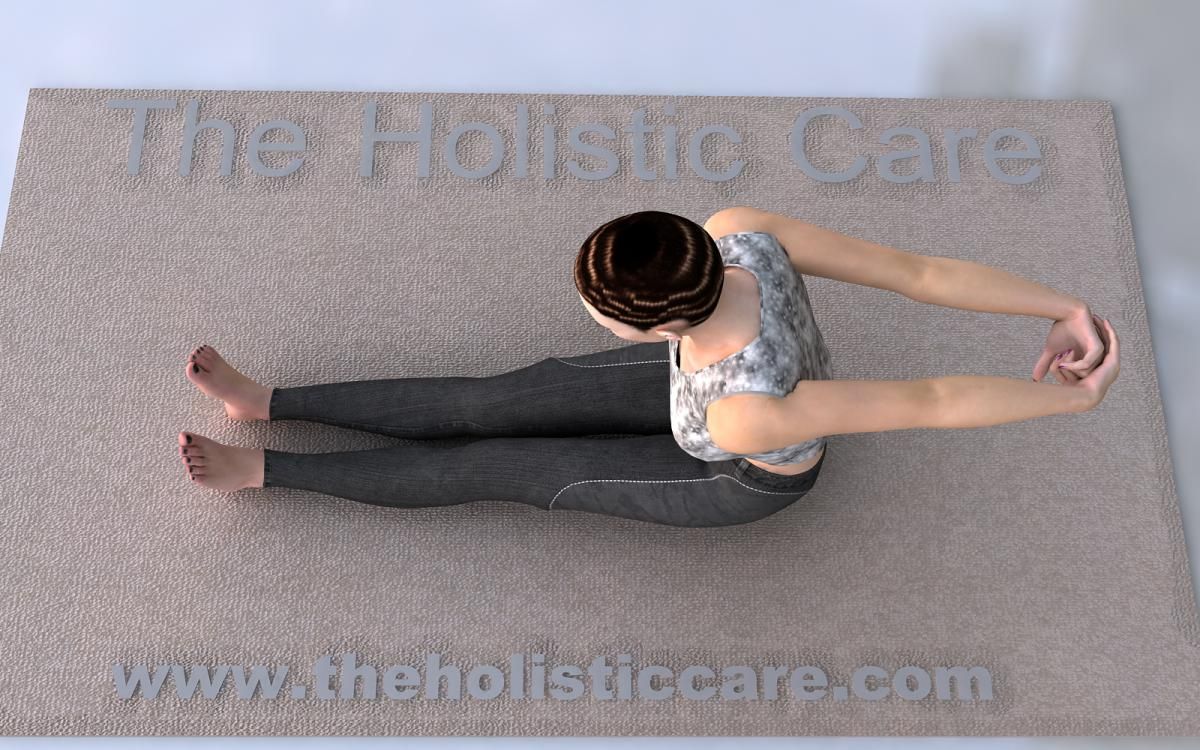
What Is Standing Yogmudra
Yogmudra means a yogic seal or gesture. In seated forms, it often involves folding forward with the hands bound or resting behind the back. The standing variation brings the same inward quality into a standing forward bend.
The posture is sometimes described as a scaling or standing folding pose in older yoga lists. The exact form varies by tradition, but the central intention is consistent: turn attention inward through a respectful forward fold.
Step by Step Practice
Build the Foundation
Stand with the feet hip width apart or slightly wider. Ground through the heels, big toe mounds, and little toe mounds. Soften the knees slightly. Bring the hands behind the back, either clasping opposite elbows, interlacing fingers, or simply resting hands on the pelvis.
Fold From the Hips
Inhale and lengthen the spine. Exhale and hinge forward from the hips. Keep the knees soft enough that the lower back can release. Let the head descend naturally, without pulling. If the hands are clasped, allow the shoulders to open gently.
Return With Care
Stay for three to eight breaths. To rise, bend the knees, press through the feet, and come up slowly with the chest leading. Pause in standing before moving on.
Benefits of Standing Yogmudra
The posture stretches the hamstrings, calves, back, shoulders, and neck. It can calm the nervous system because the head lowers and the exhale naturally deepens. When practiced slowly, it also improves awareness of weight distribution through the feet.
The mudra quality makes the pose more than a stretch. Folding forward becomes a gesture of humility, introspection, and release. The body bows, and the mind follows.
Common Mistakes
Avoid locking the knees or forcing the hands high behind the back. Both can strain the hamstrings, lower back, or shoulders. Avoid bouncing in the fold. Let gravity and breath do the work.
If dizziness appears, come out slowly and keep the head above the heart in future attempts.
Modifications and Safety
Bend the knees generously. Rest hands on blocks, a chair, or the thighs. Keep the hands at the pelvis instead of binding if the shoulders are tight. Avoid deep forward folds with acute back injury, uncontrolled blood pressure, vertigo, or late pregnancy unless guided by a qualified teacher.
Standing Yogmudra is best practiced as a quiet transition, not a forced endpoint. It should leave the body softer and the mind clearer.
Featured Programme
Yoga at The Holistic Care
Explore yoga as posture, breath, mindfulness, and a complete path of inner balance.
Explore YogaWritten by
Editorial Team

