
Discover Yoganidra — yogic sleep. This systematic guided relaxation practice activates the crown chakra, restores the nervous system, and opens the door to profound healing and transformation.
Quick Answer: Yoganidra, also called Yoga Nidra or yogic sleep, is a guided state of conscious deep rest between waking and sleeping. The body relaxes completely while awareness remains clear. A full practice usually includes intention, body rotation, breath awareness, feeling pairs, visualization, and quiet integration. It supports sleep, stress relief, emotional balance, and self awareness.
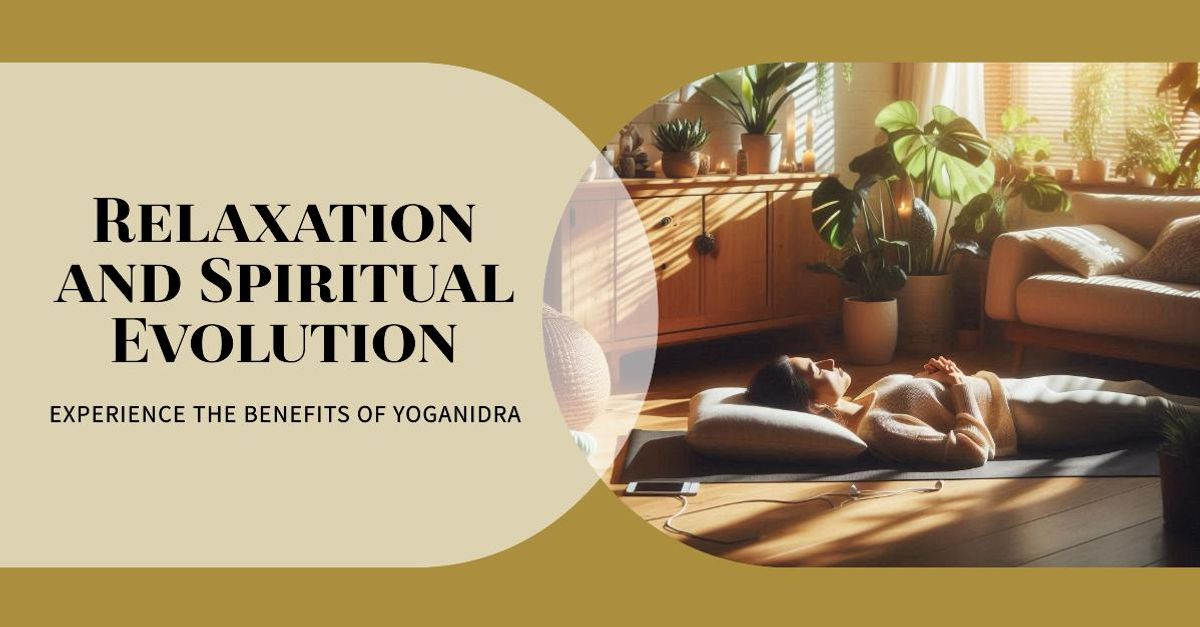
What Yoganidra Means
Yoganidra is often translated as yogic sleep, but the practice is not ordinary sleep. It is a guided method of deep relaxation in which the body rests, the senses withdraw, and awareness remains gently present. This combination makes it both restful and meditative.
In a normal nap, awareness usually disappears into dream or blankness. In Yoganidra, the practitioner stays close to the threshold between waking and sleeping. That threshold is unusually receptive. The nervous system softens, yet the mind can still hear and follow the guidance.
How a Traditional Practice Unfolds
Preparation and Sankalpa
The practice usually begins in Savasana with the body supported and warm. A short personal resolve, known as sankalpa, is then repeated inwardly. This resolve should be simple, positive, and meaningful, such as a statement of steadiness, clarity, or compassion.
Rotation of Consciousness
The guide names parts of the body in a steady sequence. Attention moves from thumb to fingers, arm, shoulder, face, torso, legs, and feet. This rotation relaxes muscular tension and teaches the mind to move through sensation without strain.
Breath, Feeling Pairs and Visualization
After body rotation, the practice often includes awareness of natural breath, opposite sensations such as heaviness and lightness, and simple images. These stages help release emotional charge and bring unconscious material into a calmer field of awareness.
Benefits of Yoganidra
Yoganidra is valued because it gives rest without requiring effort. Many people who struggle with seated meditation find it easier to lie down and be guided. The practice can reduce stress, support sleep, calm the body, and improve emotional regulation.
The deeper value is not just relaxation. Yoganidra also trains witness consciousness. You learn to notice sensations, thoughts, images, and feelings without becoming entangled in them. This is why the practice belongs equally to yoga therapy, meditation, and self inquiry.
How to Practice Safely
Choose a quiet place and lie on your back with a blanket under the head or knees if needed. Keep the body warm because temperature drops during deep relaxation. If lying flat is uncomfortable, practice on the side or in a reclined chair.
Avoid forcing concentration. The mind may drift. You may even sleep. Simply return when you hear the guidance again. The practice works through repetition, not performance.
Featured Programme
Yoga Nidra MP3 Guided Practice
A professionally recorded practice for deep rest, sankalpa, body rotation, and quiet integration.
Begin TonightYoganidra as Inner Rest
At its deepest, Yoganidra is a doorway into the restful nature of awareness itself. The body sleeps, the mind quiets, and a simple knowing remains. That knowing does not need to be created. The practice only removes enough tension for it to be noticed.
Written by
Editorial Team

