Discover Vajrasana — the Diamond Pose that aids digestion, grounds the mind, and forms the foundation for meditation and pranayama. Simple, powerful, transformative.
Vajrasana: The Diamond Pose That Stands Alone
Among all yoga postures, vajrasana holds a unique distinction: it is the only asana traditionally recommended for practice immediately after eating. Every other pose requires an empty or light stomach. Vajrasana, by contrast, is said to redirect blood flow to the digestive organs, stimulate the vagus nerve, and support the peristaltic process in the ten to fifteen minutes following a meal. This makes it not just a meditation seat but a practical, everyday posture with genuine physiological benefit.
The name derives from Sanskrit: vajra means diamond or thunderbolt. A diamond is both indestructible and perfectly clear, and the pose embodies both qualities. When the posture is held correctly, with the spine upright, the knees together, and the mind settled, there is a quality of bright, grounded stillness that justifies the name fully.
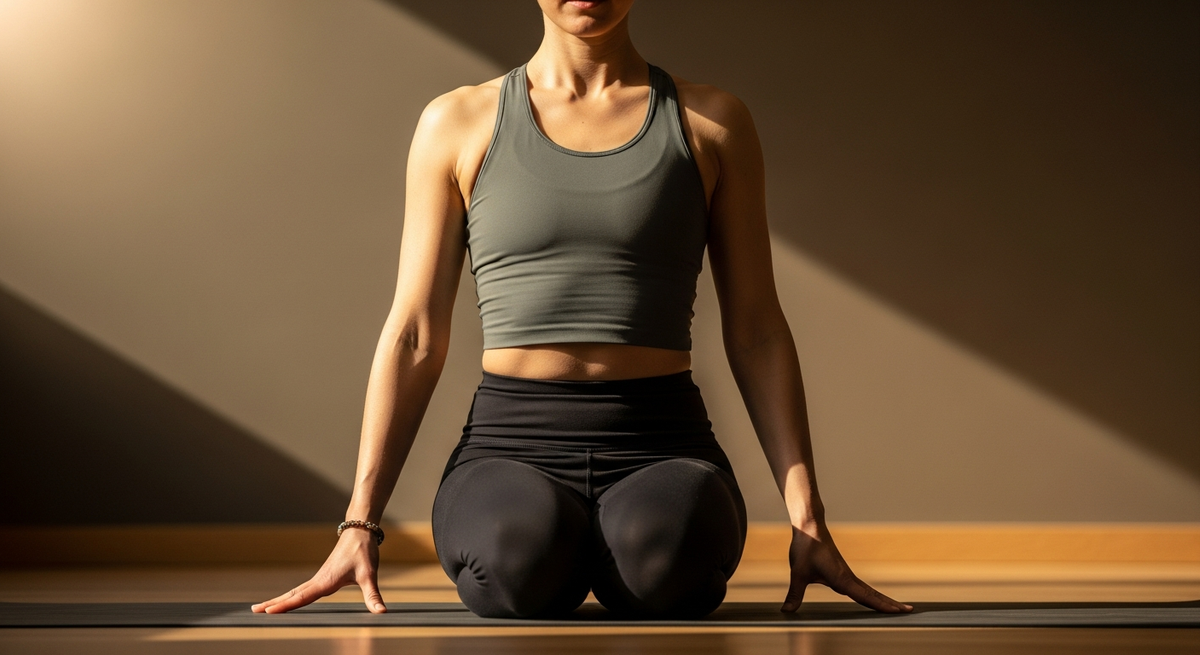
Step-by-Step: How to Come Into Vajrasana
Kneeling Position: Setting Up the Base
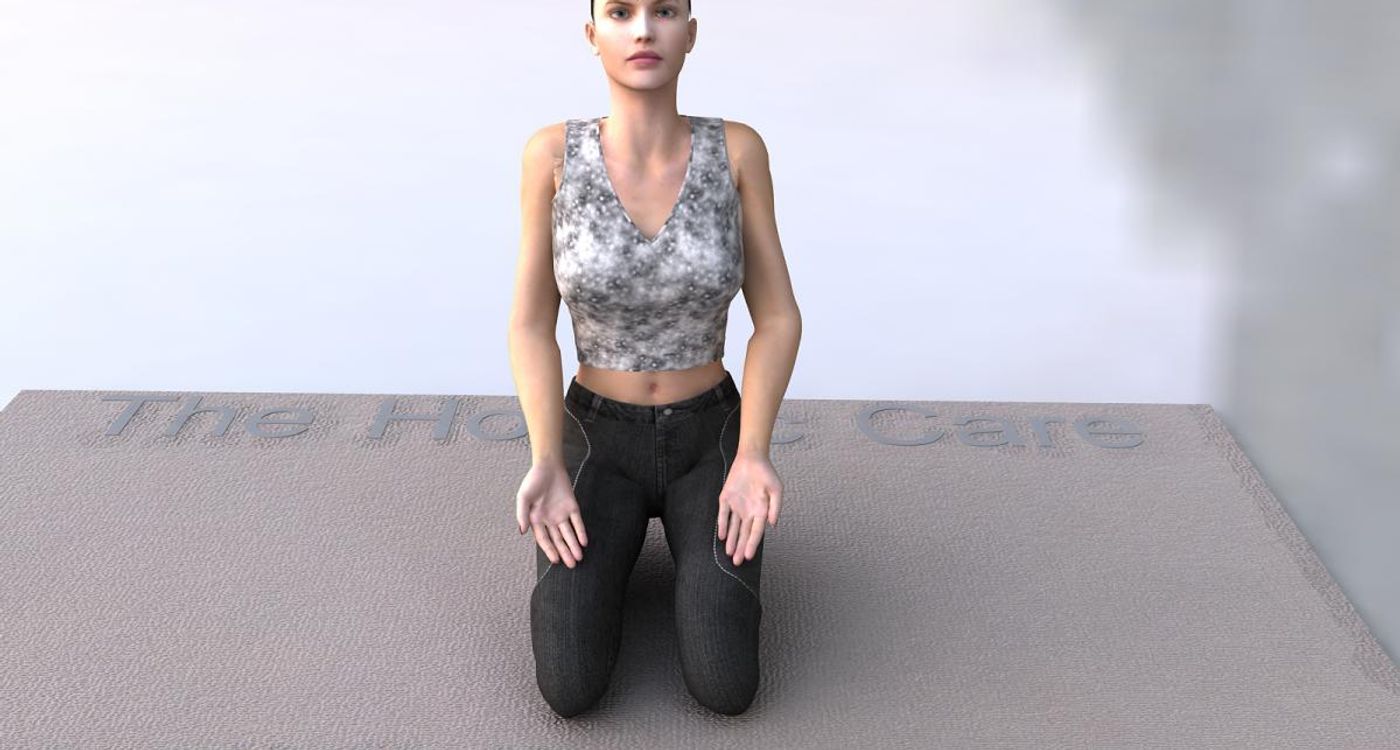
Begin kneeling on the floor with the knees together and the tops of the feet flat on the mat. The big toes may touch or be slightly apart, with the heels separated just enough to create a seat for the sitting bones. Slowly lower the hips down between or onto the heels. The sitting bones rest on the heels, the thighs rest on the calves, and the shins are flat on the floor.
The Spine and Hands
Once seated, lengthen the spine upward. The lower back should have its natural gentle curve rather than being pushed into an exaggerated arch or slumping into a rounded position. Place the hands on the thighs, palms down for grounding or palms up in a mudra position for pranayama and meditation. Relax the shoulders away from the ears and let the chin be level with the floor.
The Breath in Vajrasana
Take three or four full breaths to settle. The natural compression of the calves and ankles may produce some initial discomfort in the feet, particularly in the arches. This usually eases within sixty to ninety seconds as the tissues adapt. If it does not ease, use a prop modification (described below).
Benefits: Digestion, Lower Back and Steadiness
Digestion: The Physiological Case
The traditional claim that vajrasana aids digestion has a plausible mechanism. Sitting in this position gently compresses the abdominal region between the thighs and torso, and the upright spine allows the stomach to sit at a functional angle. Blood that would otherwise pool in the legs is partially redirected to the abdominal organs. Sitting quietly without movement also activates the parasympathetic nervous system, the physiological state in which digestion functions optimally. Five to ten minutes of vajrasana after a meal is a practical, research-adjacent habit.
Lower Back: Decompression and Strength
For many practitioners, vajrasana provides relief from lower back tension. The seated-kneeling position eliminates the hip flexor pull that compresses the lumbar spine in chair sitting. The erector spinae muscles are gently engaged to maintain the upright posture, which strengthens the back passively over time. Those with chronic lower back issues often report that a daily vajrasana practice of ten to fifteen minutes reduces their baseline discomfort.
Mental Steadiness: The Diamond Quality
The grounded, compact nature of the posture produces a particular quality of mental stability. Unlike cross-legged sitting, where the body can feel somewhat open and diffuse, vajrasana creates a sense of contained, focused alertness. This is why it is favoured for pranayama practice and why it has been adopted, often independently, in Zen sitting practice (seiza in Japanese) and in the kneeling position used in Islamic prayer (juloos).
Featured Programme
The I AM Programme
A structured adult path through yoga, pranayama and nondual awareness.
Explore the ProgrammeVajrasana Across Traditions
The cross-cultural adoption of this posture is striking. In Japanese Zen Buddhism, seiza (literally "correct sitting") is the kneeling position used in formal meditation and tea ceremony. In Islamic prayer, the same basic kneeling posture appears in the tashahhud position. In Tibetan Buddhism, vajrasana refers to the full lotus position held by the Buddha at the moment of enlightenment, though in the hatha yoga tradition the kneeling version is what the term most commonly denotes.
The fact that multiple contemplative traditions, independently and across centuries, arrived at this same basic kneeling position suggests that it fulfils something genuinely useful for the relationship between body and mind in practice.
Modifications: Making Vajrasana Comfortable
Blanket Under the Knees: Protecting the Knee Joint
Place a folded blanket under both knees before lowering into the posture. This raises the floor level slightly and reduces the angle of flexion at the knee, which is helpful for anyone with knee sensitivity or early-stage knee issues. The change is small but often makes the difference between discomfort and ease.
Block or Folded Blanket Between Calves and Thighs
For practitioners who find the full weight on the heels uncomfortable, place a firm, thin block or folded blanket in the space between the sitting bones and heels. This reduces compression in the ankle joint and redistributes weight. Build duration gradually, removing the prop as ankle flexibility improves over weeks and months.
Using Vajrasana for Pranayama and Meditation
Vajrasana is one of the most practical meditation seats for practitioners who struggle with cross-legged sitting. The erect spine it naturally produces facilitates the smooth movement of prana through the sushumna channel, according to yogic tradition. More concretely, the upright position keeps the diaphragm free to move, makes deep breathing effortless, and positions the lungs favourably for pranayama techniques such as kapalabhati, nadi shodhana, and ujjayi.
Begin with five minutes and work toward fifteen to twenty. The body adapts steadily if given consistent practice. Combined with its post-meal digestive benefit, vajrasana is perhaps the most practically useful posture for integrating yoga into ordinary daily life, not just on the mat but at the table, after work, and in the quiet moments between the day's activities.
Written by
Editorial Team