Mandukasana (Frog Pose) opens the inner hips and groin, stimulates digestion, and activates the Sacral Chakra in a deeply therapeutic kneeling posture.
Quick Answer: Mandukasana, or Frog Pose, is a yoga posture that deeply opens the inner thighs, hips, and groin. It can be practiced in a kneeling forward fold or a wide-knee hip opener depending on tradition. The safest approach uses support, slow breathing, and respect for the knees. It should never feel sharp or forced.
What Is Mandukasana
Mandukasana means Frog Pose. In modern yoga, the name can refer to more than one shape. Some schools teach a kneeling posture with fists pressing near the navel and the torso folding forward. Others teach a wide-knee hip opener that resembles a frog shape.
Both versions require care. The posture can be therapeutic when practiced gently, but the hips and knees do not respond well to force. The purpose is release through patience, not depth through pressure.
Wide-Knee Frog Pose Practice
Set the Knees Safely
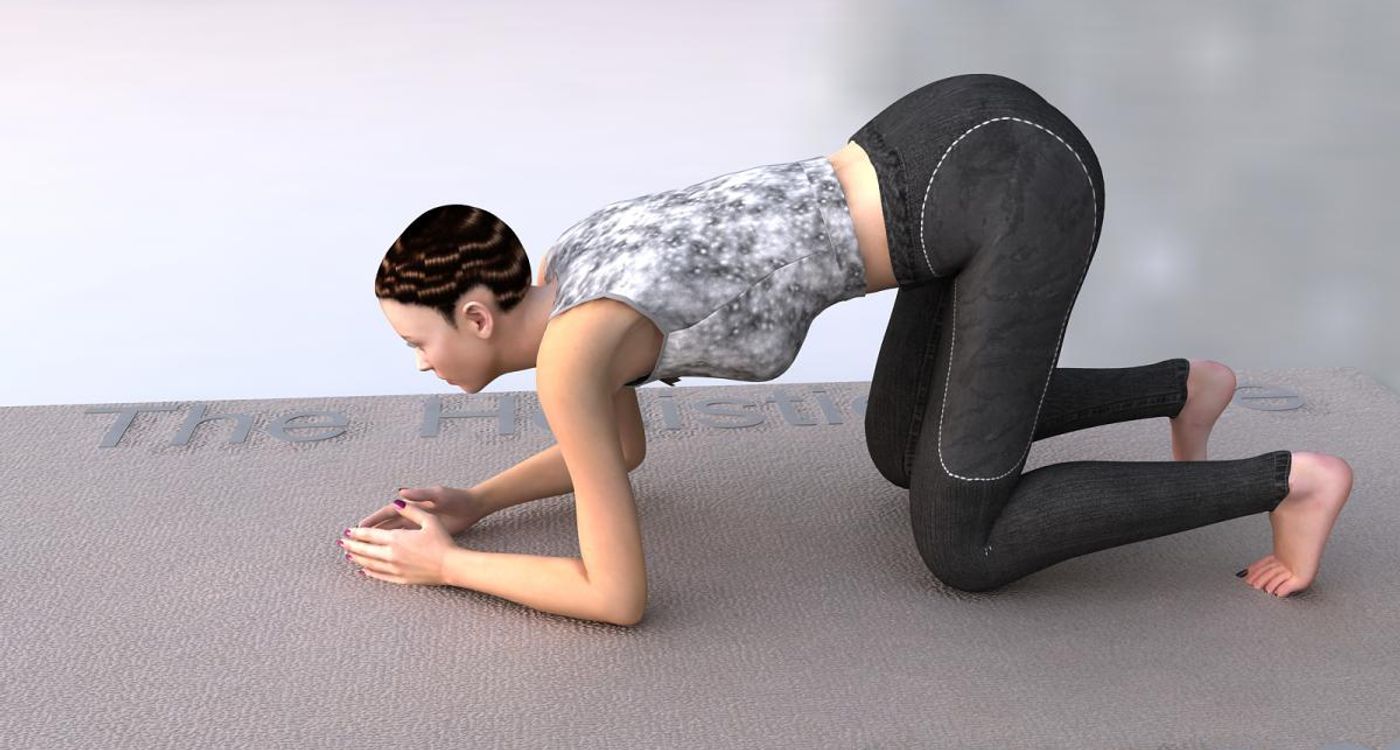
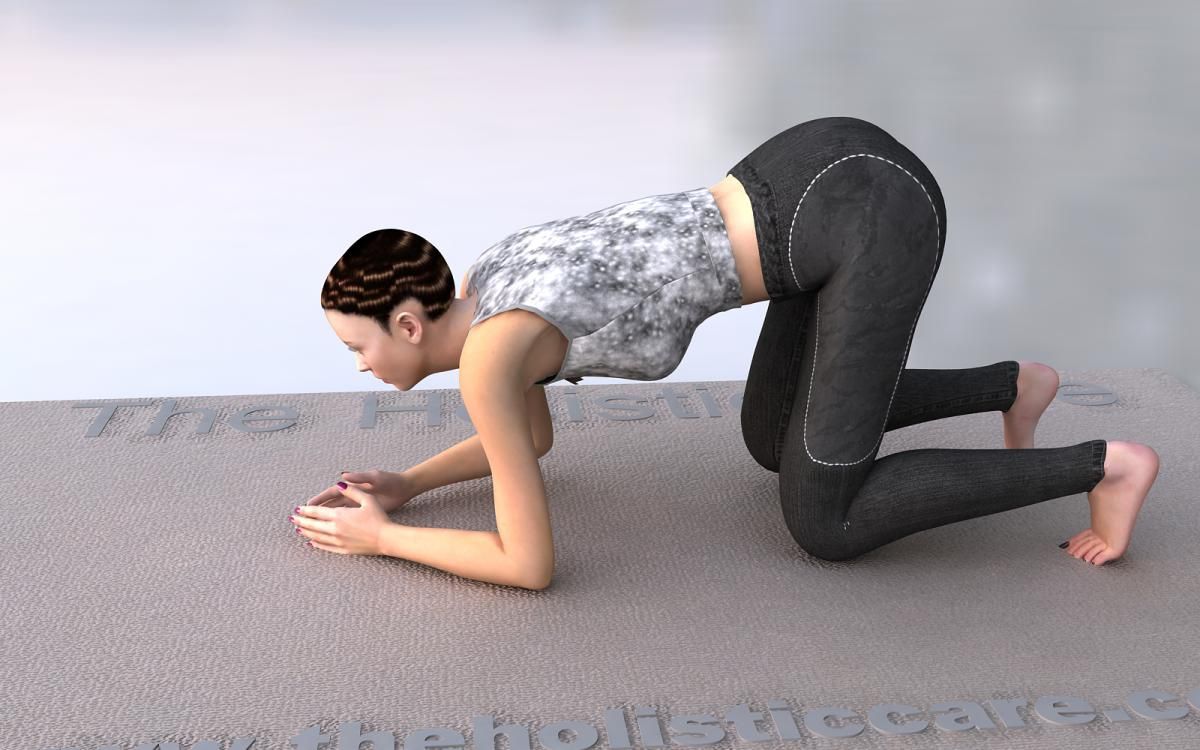
Begin on hands and knees. Place a folded blanket under the knees. Slowly widen the knees apart, keeping the ankles in line with the knees as much as comfortable. Flex the feet if that protects the knees.
Lower With Support
Bring the forearms to the floor or onto a bolster. Let the pelvis move back only to the point where the inner thighs stretch without pain. Keep the belly soft and the breath slow.
Come Out Slowly
Stay for five to ten breaths at first. To exit, press into the hands, bring the knees toward each other slowly, and rest in Child Pose or on the belly. Avoid snapping the legs together quickly.
Traditional Kneeling Mandukasana
In another common version, the practitioner sits in Vajrasana, makes fists, places them near the navel, and folds forward. This variation is traditionally associated with abdominal stimulation and digestive support. It should be avoided after meals and practiced gently.
Students with abdominal pain, pregnancy, recent surgery, or hernia should skip the abdominal-pressure version unless guided by a qualified teacher.
Benefits of Mandukasana
The wide-knee version stretches the adductors, groin, and inner hips. It can improve hip mobility and release tension from long sitting. The kneeling abdominal version may support awareness of the belly and breath.
Mandukasana also teaches boundaries. A pose this intense quickly reveals the difference between productive sensation and harmful strain. Learning that distinction is one of its greatest benefits.
Safety and Modifications
Use blankets under the knees, a bolster under the torso, and a shorter stance. Keep the feet active and avoid twisting the knees. If there is sharp knee, hip, or groin pain, come out immediately.
A supported butterfly pose or gentle low lunge may be a better preparation for students with sensitive hips. Mandukasana should leave the body feeling open, not irritated.
Featured Programme
Yoga at The Holistic Care
A holistic approach to posture, breath, awareness, and safe embodied practice.
Explore YogaWritten by
Editorial Team